Building a Better Future: The Eco-Friendly Home Initiative
As the world grapples with the pressing challenges of climate change and environmental degradation, the need for sustainable living solutions has become more critical than ever. Enter the Eco-Friendly Home Initiative, a movement dedicated to transforming our living spaces into havens of sustainability and environmental responsibility. In this article, we delve deep into the core aspects of this initiative, unraveling how it aims to redefine the way we interact with our homes and our planet.
Understanding the Eco-Friendly Home Initiative
The Eco-Friendly Home Initiative is more than just a trend; it is a comprehensive approach to designing, building, and maintaining homes with minimal ecological impact. This initiative promotes practices that reduce energy consumption, conserve natural resources, and cut down on waste, thereby paving the way for a healthier future.
Principles of Sustainable Living
- Energy Efficiency: One of the primary components of the Eco-Friendly Home Initiative is to ensure that homes are energy efficient. This is achieved through better insulation, energy-efficient appliances, and the incorporation of renewable energy sources like solar panels.
- Water Conservation: Implementing systems for rainwater harvesting and using water-efficient fixtures can significantly reduce a household's water footprint. Eco-friendly homes often feature dual-flush toilets and low-flow showerheads.
- Waste Reduction: Sustainable building practices emphasize the use of recyclable and biodegradable materials. Moreover, homes are designed to facilitate waste recycling and composting.
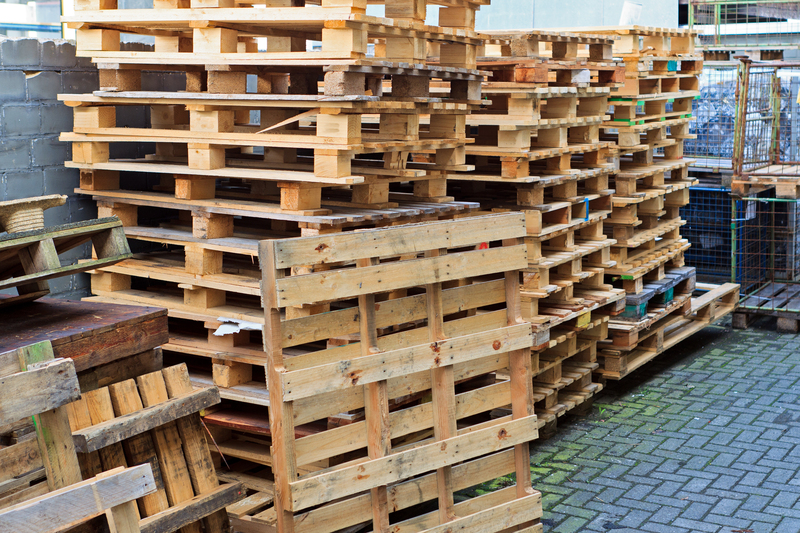
- Resource Management: The use of locally sourced, sustainable materials is encouraged to minimize the carbon footprint associated with transport and production. Bamboo, reclaimed wood, and recycled steel are popular choices.
The Role of Green Architecture
At the heart of the Eco-Friendly Home Initiative lies the concept of green architecture. This architectural discipline focuses on creating spaces that are environmentally sustainable and integrate seamlessly with nature. Here are a few facets of green architecture:
Passive Design Principles
Passive design is a fundamental concept in eco-friendly architecture that leverages natural energy sources for heating and cooling. Key elements include:
- Orientation and Window Placement: Proper orientation and strategically placed windows maximize natural light and heat during cooler months while providing shade in the summer.
- Thermal Mass: Materials with high thermal mass, such as concrete or brick, are used to absorb and store heat during the day and release it during cooler periods.
Integrating Renewable Energy
Incorporating renewable energy solutions is pivotal in reducing a home's dependency on non-renewable energy sources. Homeowners are increasingly installing solar panels, wind turbines, and geothermal heating systems to achieve this goal.
Advancements in Sustainable Building Materials
The evolution of building materials plays a vital role in the Eco-Friendly Home Initiative. Innovative materials are being developed to offer better insulation, durability, and sustainability. Some of these cutting-edge materials include:
- Hempcrete: Made from a mixture of hemp fibers, lime, and water, hempcrete is a lightweight, eco-friendly alternative to traditional concrete.
- Recycled Steel: Using recycled steel in construction reduces the demand for virgin materials and energy consumption.
- Mycelium: This biodegradable material is derived from fungi and is used for insulation and as a substitute for plastic.
Economic Benefits of Eco-Friendly Homes
While the initial costs of building an eco-friendly home may be higher, the long-term economic benefits are substantial:
Energy Cost Savings
Through energy efficiency and on-site renewable energy generation, homeowners can significantly reduce their utility bills. Over time, these savings can offset the initial investment in sustainable technologies.
Increased Property Value
Eco-friendly homes often have a higher resale value due to their sustainability features and reduced operational costs. As environmental consciousness rises, these properties become more attractive to potential buyers.

Challenges and Opportunities
While the Eco-Friendly Home Initiative presents numerous advantages, it also faces challenges that need addressing:
Overcoming Barriers to Adoption
- Cost Implications: The upfront cost of sustainable materials and technologies can be a barrier. However, incentives and rebates can alleviate these costs.
- Lack of Awareness: Educating homeowners and builders about the benefits and feasibility of eco-friendly homes is crucial to drive adoption.
Harnessing Technological Innovations
The rapid advancement of technology opens new avenues for sustainable living. Smart home systems can optimize energy use, and innovative building techniques like 3D printing can reduce waste and construction time.
The Future of Eco-Friendly Housing
The future of the Eco-Friendly Home Initiative is promising as more individuals, communities, and governments embrace sustainability. Collaborative efforts across various sectors will enhance innovation and drive the transition to greener living spaces.
- Government Policies: Supportive policies and regulations can expedite the adoption of eco-friendly practices by providing financial incentives and setting sustainability standards.
- Community Engagement: Educating communities about the advantages of sustainable home initiatives can lead to widespread acceptance and implementation.
Conclusion
Building a better future through the Eco-Friendly Home Initiative is not just a lofty dream; it's a necessary evolution in the face of climate change. By integrating energy-efficient practices, leveraging green architecture, and using sustainable materials, we can create homes that not only nurture our well-being but also safeguard our planet. The journey towards eco-friendly homes is paved with both challenges and opportunities, but with concerted efforts and unwavering commitment, a sustainable future can indeed become a reality.