House Clearance in Golders Green

Golders Green House Clearance provides a practical house clearance service in Golders Green for homes that need a careful, organised removal of unwanted items. We handle full and partial clearances for domestic properties, helping customers deal with furniture, general household contents and other bulky items in a tidy, structured way. The service is designed for situations where a property needs to be emptied, reduced in contents or prepared for a next step without unnecessary disruption.
Our work can suit many different requirements, from one room that needs sorting to a larger property that calls for a more comprehensive clearance plan. We can also support customers who only want selected items removed, rather than an entire property cleared. The aim is straightforward: a clear, usable space, handled with care and with sensible attention to what should be kept, removed, reused or separated for disposal.
For a clear price based on the scope of work, request a quotation and outline the items involved. If you are comparing options, start with the rooms or areas that matter most so the scale of the job is easy to understand.
House clearance options for different property needs
A household clearance is rarely just one type of task. Some customers need a careful reduction of contents before decorating or moving, while others want a full clear-out after years of accumulation. We work across these different situations with a practical approach that keeps the process orderly. The right option depends on what is staying, what is leaving, and whether access, handling or item grouping will shape the work more than the volume itself.
To help plan the job, it is useful to think about the property in sections rather than as one large pile of items. That may mean bedrooms, lofts, garages, reception rooms or storage areas. If you are preparing an enquiry, a short list of the spaces involved and a few notes on heavy or awkward pieces is usually enough to begin. Keep any photographs, inventories or access details together so the scope is easier to review.
Typical clearance requests can include the following:
- complete house clearances for properties that need to be emptied
- partial clearances for selected rooms or specific item groups
- single-item removal within a larger household job
- sorting of mixed contents into items to keep and items to remove
- clearance of furniture, general household goods and stored belongings
Furniture, appliances and everyday household items
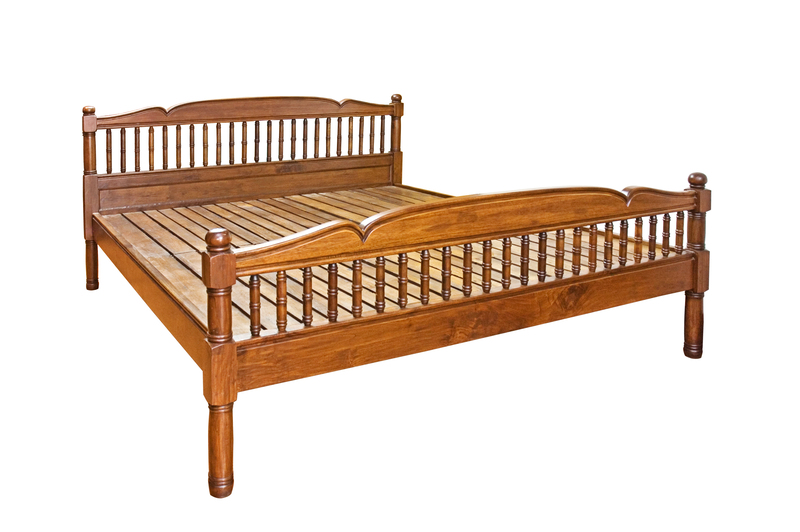
A large part of house clearance work involves furniture and ordinary household items that are too bulky or inconvenient to move without planning. Sofas, wardrobes, beds, tables, chairs and cabinets often need to be taken apart or handled in a particular order so that rooms can be cleared without damage. Where an item has little value but takes up a great deal of space, a careful removal approach is often more useful than trying to shift everything at once.
We also deal with the mixed contents that often accumulate around furniture: lamps, small storage pieces, ornaments, boxed belongings and other domestic items that may not belong in the same category but still need to be removed together. In a real household clearance, these pieces are often more important than they first appear, because they determine how long a room stays occupied and how much sorting is needed before the space can be handed over or reused.
Useful preparation tends to be simple. Keep aside anything you definitely want to retain, separate personal paperwork from general contents, and note anything that cannot be lifted easily or needs extra care. A quick list is usually enough to shape the quotation and make the visit or collection more efficient. If you are ready to move forward, send the details for pricing and we can look at the best way to handle the clearance.
Lofts, garages and other storage-heavy areas
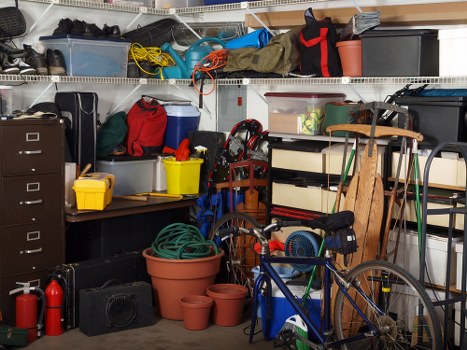
House clearance often becomes more involved when the job includes storage spaces. Loft areas can contain old boxes, seasonal items, suitcases and forgotten furniture, while garages often hold a mixture of tools, household overflow and pieces that have been kept “for laterâ€. These spaces are not usually arranged neatly, so the work needs a sensible process rather than a simple lift-and-load approach. Access, stairs, headroom and object weight all matter here.
Garages and lofts can also contain items that were never meant for regular room use, such as broken household equipment, worn-out furnishings or long-term storage that no longer has a practical place in the property. Our clearance service can support those areas as part of a larger house clearance or as a focused job on its own. The most useful first step is to decide whether the contents need full removal, selective sorting, or a mixture of both.
When storage areas are involved, the work is often improved by a short pre-check of what is reachable and what may need extra handling. That does not have to be complicated. A few notes on access, floor level and any especially heavy objects are often enough to avoid confusion later. The clearer the starting point, the easier it is to plan the sequence of removal and keep the property tidy throughout the job.
Full and partial clearances explained

Some customers need a full house clearance because a property is being prepared for sale, let or transfer. Others only need part of the building cleared, perhaps because furniture is being replaced, a room is being re-used, or a family is keeping certain belongings in place. Both approaches are common, and they call for different levels of sorting. A full clearance usually needs broader planning, while a partial clearance depends more on item selection and careful handling around what remains.
Partial work can be especially useful when the property is still occupied, or when some rooms need to stay functional throughout the process. It allows the clearance to happen in stages rather than all at once. That can make sense where only one floor, one cupboard range or one set of furnishings needs attention. In these jobs, the value of a good plan is not in speed alone, but in keeping the remaining layout intact while the unwanted items are removed.
H3 How we approach the scope
The clearest jobs usually start with a simple distinction between contents to keep and contents to remove. After that, the practical points follow naturally: size, weight, access, and whether the clearance includes furniture, stored goods or mixed household items. If you are asking for a quotation, a short description of the rooms involved is often enough to begin. For the final step, request a quotation today and give us the basic outline of the clearance needed.
House clearance and waste removal considerations
House clearance is not the same as general waste removal, although the two services often overlap. A domestic clearance usually includes a broader range of household contents and may involve moving items that still have use or need careful sorting before they are removed. General waste removal, by contrast, is more focused on taking away unwanted material that has already been set aside for disposal. Understanding that difference helps customers choose the right service and avoid underestimating the amount of preparation required.
In practice, a household job may involve a bit of both. Some items are straightforward to remove, while others need sorting because they are mixed in with belongings you want to retain. For example, one room may contain furniture that is going, papers that must be kept, and general items that need a separate decision. That is why a sensible clearance plan usually begins with categories, not just with volume. It keeps the work organised and the outcome easier to check.
If you are arranging a larger job, it is helpful to think about how the clearance links to the wider condition of the property. A well-planned clearance can reduce clutter, simplify decorating or help a room become usable again. Make a note of the areas that matter most, then contact us when you are ready to discuss the scope in practical terms. That makes the next stage easier to price and easier to schedule around the property itself.
Preparing a quotation for your clearance
The most useful quotations are based on clear, realistic information. That does not mean you need a perfect inventory, but it does help to describe the property type, the rooms involved and any especially bulky or awkward items. If the job includes stairs, loft access, narrow hallways or items that need to be dismantled, those details can affect how the work is planned. The more accurate the outline, the easier it is to quote in a way that matches the actual task.
For many customers, the simplest way to prepare is to walk through the property and note the main groups of items. If a room contains a mix of furniture, boxed contents and loose household goods, say so. If there are only a few pieces to remove, that is useful too. We can then consider the clearance as a specific job rather than a vague estimate, which is generally better for everyone involved and avoids unnecessary assumptions about the amount of work.
Two practical points tend to make the quotation stage smoother: first, decide which items must stay; second, identify anything large, fragile or hard to reach. If you already know the clearance date you are aiming for, mention that as well. For a straightforward next step, ask for a quotation and share the room list or item summary when you are ready.
About Golders Green
Golders Green is a district in north-west London, within the London Borough of Barnet, and it is known for a blend of residential streets, transport links and long-established local services. The area developed significantly in the late nineteenth and early twentieth centuries, particularly after the arrival of the railway and the expansion of suburban housing. Its character is shaped by a mix of streets of Victorian and Edwardian houses, interwar development and later additions, giving the neighbourhood a varied built environment rather than a single architectural style. Golders Green Road acts as a central artery through the district, with shops, cafes and community facilities reflecting its role as a busy local centre.
The area is also notable for its religious and cultural life. Golders Green has long had a strong Jewish presence, and that history is visible in local institutions, food shops and places of worship. Nearby, Golders Hill Park provides formal gardens, open lawns, a children’s play area and access to a small zoo area associated with the wider Hampstead Heath extension. The heath itself lies close by and gives the district an important connection to one of London’s best-known open spaces, with woodland paths, ponds and broad views that contrast with the built-up streets around it. Transport links, including the Northern line station, have helped shape Golders Green as a connected suburban centre rather than an isolated enclave. Its combination of housing, community activity and access to green space gives the district a distinctive place in the wider geography of north London.
Furniture disposal and selective removal

Sometimes a house clearance does not need every item removed. A room may only need a few pieces taken away, or a property may be being updated one part at a time. In those cases, selective removal can be the best option. It keeps the service focused on the items that actually need to go, without disturbing the rest of the room more than necessary. That is especially useful where the remaining furniture is staying in use or where the owner wants the space to remain partly furnished.
Furniture disposal is often about more than lifting a heavy item. Large pieces may need to be moved through narrow spaces, separated from other contents, or handled in a way that protects walls, floors and door frames. If the furniture is mixed with books, boxes or other household items, the sequence matters as much as the lift itself. A careful approach avoids the common problem of clearing one obstacle only to create another inside the property.
We also understand that many households have more than one kind of clearance need at the same time. A sofa may be going out, a wardrobe may need dismantling, and a spare room may contain miscellaneous belongings that need to be sorted first. That is why we keep the service practical rather than rigid. If you need a narrower scope, keep your enquiry brief but specific so the furniture to be removed is easy to identify.
Working through the property in a sensible order
Good house clearance work is usually guided by order and access. A sensible sequence helps prevent items from being moved twice and reduces the chance of overlooked belongings being left behind. Rooms with straightforward access are often easier to tackle first, while areas with more complicated layouts may need a little more planning. The same applies to properties where some contents are staying in place and others are going, because the clearance has to respect both groups.
It can be useful to think in terms of decision points. Which rooms are included? Which items are staying? Which heavy pieces may need extra handling? Are there narrow passages, stairs or low ceilings? By answering those questions before the work begins, the clearance becomes easier to manage and easier to review at the end. A careful process is not about making the job feel formal; it is about keeping it workable from start to finish.
H3 What customers usually want from the outcome
Most customers want a property that feels clear, orderly and ready for the next step. That might mean a complete emptying, a room reset or the removal of just enough items to make the space usable again. Whatever the scale, the important point is that the clearance should match the actual need rather than follow a one-size-fits-all pattern. If you are not sure how much should be included, start with the rooms and the items that matter most and build from there.
Clearance planning for families, landlords and property owners
House clearance requests come from a range of situations, and the priorities are not always the same. A family may want a sensitive, measured approach to an inherited property or a long-occupied home. A landlord may need a property emptied before the next stage of works. A homeowner may simply want to clear accumulated items from a house that has become difficult to manage. The service can be adapted to these different circumstances without turning the work into something more complicated than it needs to be.
Where several people are involved in deciding what stays and what goes, a short written list can help avoid confusion. It is often easier to agree the clear-out room by room than to discuss the whole property in the abstract. That method also helps if there are mixed contents with different levels of priority. If you have already separated personal belongings from general household items, the work can be focused on the removal rather than the sorting, which keeps the process more efficient and less repetitive.
For the next step, request a quotation when you are ready and share the scope that best reflects the property. A clear outline helps us understand whether the job needs a full clearance, a partial removal or a smaller targeted service. That way the work can be planned around the actual contents rather than around a guess.
Choosing the right level of house clearance
Not every clearance needs the same amount of work, and the best choice is usually the one that matches the property’s condition and purpose. A lightly furnished house may only need a few removals, while a long-unused home may need a broader clear-out. The distinction matters because it affects handling, sorting and the time needed to complete the job properly. Choosing the right level also makes it easier to describe the work accurately when requesting a quotation.
If you are uncertain whether the task is better described as a house clearance, furniture removal or waste removal, focus first on the main contents and the end result you want. If the objective is to empty rooms or reduce household contents, house clearance is usually the right starting point. If the job centres on a few large pieces, furniture disposal may be the more precise fit. Either way, the practical information is the same: what is present, what is staying, and what needs careful handling.
We keep the service grounded in those details so the work remains clear and manageable. A sensible enquiry does not need to be long-winded; it just needs enough structure to describe the property honestly. Share the basic outline and ask for pricing when you are ready, and we can look at the most suitable way to approach the clearance.