Golders Green Road bulky rubbish pickup guide
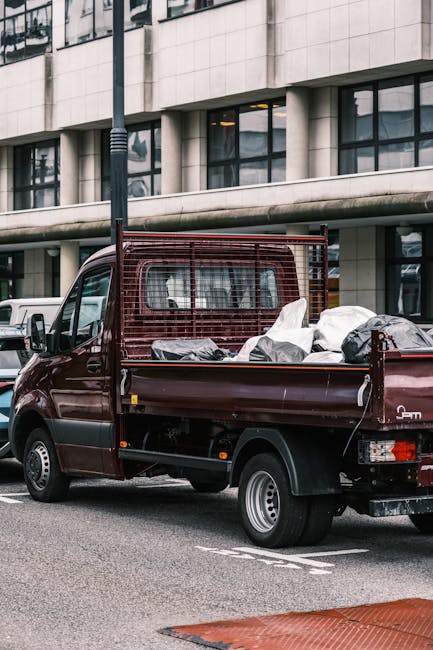
If you are trying to get rid of a bulky sofa, a broken wardrobe, a mattress that has seen better days, or a pile of mixed household waste, the process can feel oddly confusing. The Golders Green Road bulky rubbish pickup guide below is designed to make it simple, practical, and a bit less stressful. Whether you are clearing a flat, emptying a garage, or dealing with a one-off item that will not fit in a car boot, the key is knowing what counts as bulky rubbish, what your options are, and how to avoid unnecessary delays.
In Golders Green, space is often tight, parking can be awkward, and jobs that look small can turn into a full-scale shuffle by the front door. That is exactly where a clear plan helps. This guide covers how bulky rubbish pickup usually works, what to prepare, what to avoid, and how to choose the most sensible route for your situation.
Why Golders Green Road bulky rubbish pickup guide Matters
Bulky rubbish is not just "rubbish that is too big". It usually means items that are awkward to move, too large for normal bins, or too heavy for a standard household collection. Think beds, wardrobes, tables, fridges, old office chairs, garden furniture, and the sort of odds and ends that build up after a move, renovation, or big tidy-up.
On Golders Green Road, that matters more than people sometimes expect. Streets and access points can be busy, and if you leave bulky items out without thinking through timing or collection arrangements, you may end up with clutter on the pavement, complaints from neighbours, or a job that drags on for days. Let's face it, no one wants a battered mattress leaning by the front gate all weekend.
A good bulky rubbish pickup plan also helps you avoid doing everything twice. If you know what can be collected, what must be separated, and whether items need to be dismantled first, you save time and usually money too. It is one of those jobs where a little planning goes a long way.
For bigger clearances, it may also make sense to look at broader services such as house clearance or home clearance if the bulky waste is only part of a wider declutter. That can be more practical than arranging several separate visits.
How Golders Green Road bulky rubbish pickup guide Works
In simple terms, a bulky rubbish pickup is a collection arranged for items that are too large for normal household waste services. The exact process depends on who is doing the collection and what the items are. Some jobs are straightforward, like removing one sofa. Others are more involved, especially if the load includes mixed materials, heavy objects, or waste from a refurbishment.
Most pickup arrangements follow a similar pattern:
- you identify the items you want removed
- you check whether they can be taken as they are, or whether they need sorting
- you arrange a collection time or request a quote
- the items are removed from inside or outside the property, depending on access
- the waste is sorted for reuse, recycling, or disposal where possible
That sounds simple enough, but the detail matters. A heavy filing cabinet on an upper floor is not the same as a broken chair left in the front garden. Access, stairwells, parking, and item type all affect how smoothly the pickup goes. A lot of the real work happens before anyone turns up.
If the items are mainly old furniture, you may want to compare a bulky pickup with a dedicated furniture disposal or furniture clearance option, especially when several pieces need removing together.
Key Benefits and Practical Advantages
A properly arranged bulky rubbish pickup gives you more than just a clear floor. It can make the whole space feel usable again. That sounds obvious, but anyone who has ever spent a week stepping around an old armchair in a hallway knows how quickly clutter gets tiring.
- Saves physical effort: no dragging large items across floors or down stairs without support.
- Reduces disruption: a planned pickup is usually cleaner and quicker than ad hoc disposal.
- Improves safety: fewer trip hazards, less lifting strain, and less chance of damage to walls or flooring.
- Supports better recycling: items can often be separated into reusable or recyclable streams.
- Works well for mixed clearances: ideal if bulky waste is part of a loft, garage, or property clean-out.
There is also a practical confidence benefit. When you know the items are being handled by people who understand access issues, lifting, and sorting, you stop worrying about whether the job will spiral. And to be fair, that peace of mind is sometimes the biggest benefit of all.
If you are dealing with a garage full of old equipment, paint tins, broken shelving, and a few bulky items, a garage clearance can be the neatest route. Likewise, if the bulky waste comes from a renovation, builders waste clearance may be the more suitable fit.
Who This Is For and When It Makes Sense
This guide is useful for a wide mix of people. You do not need to be doing a major move to need bulky rubbish pickup. In fact, the most common jobs are often fairly ordinary.
- Homeowners clearing out old furniture, appliances, or garden waste
- Tenants leaving a flat and needing fast removal of bulky items
- Landlords preparing a property between lets
- Families dealing with a loft, spare room, or overflow storage situation
- Small businesses replacing office furniture or clearing storage areas
- Anyone short on time who needs a quick, tidy solution rather than a weekend of lifting and sorting
It makes sense when the items are too large for normal bin collections, too awkward to transport yourself, or too numerous to manage safely in one go. If you are unsure whether a single item justifies a pickup, ask yourself one question: would it still be a headache if you had to move it down two flights of stairs in the rain? If yes, it probably counts.
For workspace changes, an office clearance may be more appropriate than a one-off pickup, especially when desks, chairs, cabinets, and boxed materials are all going at once.
Step-by-Step Guidance
Here is a practical way to approach a bulky rubbish pickup on Golders Green Road without making it more complicated than it needs to be.
- List everything you want removed. Be specific. "Old furniture" is less helpful than "two wardrobes, one bed base, and a broken TV stand."
- Separate bulky items from general rubbish. Keep small bagged waste, confidential papers, and recyclables apart if possible.
- Check access. Note stairs, narrow hallways, parking restrictions, entry codes, or any time limits that matter.
- Measure the awkward pieces. A quick width and height check can avoid surprises at the doorway.
- Decide whether items should be dismantled. Sometimes a bed frame or wardrobe comes out more easily in parts. Sometimes not. Use judgement.
- Request a quote or booking. Share accurate details so the collector can plan the right vehicle, crew size, and timing.
- Prepare the items before collection. Clear a route, unlock gates, and move smaller objects that could get in the way.
- Confirm what happens to the waste. Recycling and reuse matter, so ask how mixed materials are usually handled.
A small but useful habit: take a couple of photos before the pickup. Not because you need a dramatic "before" shot for social media, but because it helps with quoting and prevents confusion if the job changes. One quick phone snap is enough.
If the job extends beyond a few bulky items and into a broader sort-out, a general waste removal service may be the simplest route. It can be a better fit for mixed loads than trying to separate everything into tiny categories yourself.
Expert Tips for Better Results
After enough clearances, a few patterns become obvious. The smooth jobs are usually the ones where the customer has done a little thinking upfront. Nothing fancy. Just the basics done properly.
Tip 1: Put the heaviest items nearest the exit if you can do so safely. It saves time and reduces the chance of scraping walls or floors. If moving them is risky, leave them where they are and tell the crew exactly what to expect.
Tip 2: Separate anything reusable. Not every old piece is waste. A solid table, intact shelving unit, or usable chair might be suitable for reuse rather than disposal. It is worth pausing for that decision.
Tip 3: Be honest about what is included. Mixed loads can change the vehicle size, labour time, and disposal route. A truthful description helps everyone.
Tip 4: Think about timing. Early collections can be easier on busy roads. Mid-morning often works well if you need time to clear access after school runs or morning deliveries.
Tip 5: Watch out for hidden extras. Items tucked behind others, attic clutter, or a second pile in the garden can turn a "small" job into a larger one. That happens more often than people admit. It's almost a ritual, really.
Expert summary: The best bulky rubbish pickup is usually the one that has been planned around access, item type, and sorting from the start. That simple approach avoids delays, protects the property, and makes recycling easier.
Common Mistakes to Avoid
Most problems with bulky rubbish pickup are avoidable. The tricky part is that they often seem minor at first.
- Leaving items out too early: this can create clutter, attract weather damage, or annoy neighbours.
- Guessing the item list: vague descriptions can cause the wrong vehicle or not enough labour to be planned.
- Mixing bulky items with ordinary rubbish: this can slow down handling and sorting.
- Ignoring access issues: a tight staircase or poor parking can seriously affect the job.
- Forgetting fragile surroundings: mirrors, plaster corners, polished floors, and narrow hallways all need care.
- Assuming everything can be taken in one go: some items need special handling or separate arrangements.
The biggest mistake, though, is probably waiting until the place is already overflowing. Once you can no longer shut the spare-room door, the task feels ten times bigger than it actually is. Better to deal with it earlier, while it is still manageable.
For sheds, exterior storage, and mixed outdoor clutter, a garden clearance can be a better option than a generic pickup, especially if branches, plant waste, and broken outdoor furniture are all part of the same mess.
Tools, Resources and Recommendations
You do not need a lot of equipment to prepare for a bulky rubbish pickup, but a few basic tools help a lot.
- Tape measure: useful for checking door widths, stair corners, and bulky item size
- Marker pen or labels: handy for separating what stays, what goes, and what may be reused
- Gloves: sensible for moving light items or protecting hands from dust and rough edges
- Phone camera: good for photos of items and access points
- Basic screwdriver or Allen key set: often helpful if furniture needs partial dismantling
- Dust sheets or old blankets: useful if you are moving items through narrow spaces
As a recommendation, keep the booking information as concrete as possible. Instead of "a few bits," send a clear list. Instead of "easy access," explain whether that means ground-floor access, permit parking, or a front drive. The more specific you are, the more reliable the plan will be.
If you want to understand how sustainability fits into the wider picture, the company's recycling and sustainability approach is worth reading alongside this guide. It helps explain why careful sorting matters, even for a one-off pickup.
Law, Compliance, Standards, or Best Practice
When bulky rubbish is removed, best practice matters. In the UK, waste should be handled by people and businesses that manage it responsibly, with proper attention to safety, sorting, transport, and disposal. You do not need to become an expert in waste law to book a pickup, but you should still expect a professional approach.
A few practical points are worth keeping in mind:
- Safe handling: large or heavy items should be lifted and carried with care to reduce injury and property damage.
- Proper sorting: recyclable items, reusable furniture, and general waste should be separated where possible.
- Responsible disposal: waste should not simply be dumped because it is inconvenient to sort.
- Insurance and procedures: a reputable service should be able to explain how it works and how it manages risks.
If you are comparing providers, it is sensible to review pages such as health and safety policy and insurance and safety. Those pages help show how seriously a company takes the practical side of the job, not just the collection itself.
For businesses, the standards are even more important. Office and commercial clearances usually involve data-bearing items, shared access, and more moving parts. In those situations, a business waste removal approach is often the safer and neater choice.
Options, Methods, or Comparison Table
There is more than one way to handle bulky rubbish on Golders Green Road. The best method depends on the amount, the type of waste, and how urgently you need the space back.
| Method | Best for | Pros | Watch-outs |
|---|---|---|---|
| Single-item pickup | One sofa, mattress, appliance, or similar item | Simple, fast, low effort | Can be less efficient if you have several items |
| Bulk waste collection | Multiple large items from a home or flat | Good balance of convenience and coverage | Needs accurate item details and access info |
| Furniture-focused clearance | Sofas, tables, wardrobes, beds, chairs | Well suited to household furniture | Mixed waste may need extra sorting |
| Full property clearance | House moves, bereavement clearances, major declutters | Covers many item types in one visit | Usually more involved to plan |
| Garage or loft clearance | Stored clutter, old boxes, broken equipment | Great for hidden buildup and awkward spaces | Access can be dusty, cramped, or slow |
Truth be told, there is no universal "best" option. A single mattress and a coffee table do not need the same solution as a full first-floor clear-out. If you are not sure, think about the number of trips, the amount of lifting, and whether the waste is mostly one category or a mix.
Case Study or Real-World Example
Picture a fairly typical Golders Green Road job: a family has finished a long-overdue sort-out after redecorating, and the hallway now contains a three-seater sofa, a broken bookcase, an old chest of drawers, two office chairs, and a small pile of broken flat-pack furniture. Nothing dramatic. Just enough to be annoying.
At first glance, the job looks simple. But then the details start to matter. The hallway is narrow, the front entrance has a tight turn, and the sofa will not fit around the corner unless it is tilted carefully. One of the chairs is fine to remove, but the bookcase is unstable and should be taken apart before moving. There is also a timing issue because a neighbour is due to arrive with a delivery van later in the day.
The smooth version of this job is the one where the items are listed clearly, the access route is checked in advance, and the crew knows what to expect. The family clears the path, moves smaller objects out of the way, and confirms the collection window. The result is straightforward: less stress, less dragging things around, and a much better-looking hallway by lunchtime. Nice and clean. Job done.
If the same household had also needed mattress removal and a few heavy bedroom pieces, a broader flat clearance or furniture clearance would likely have been the smarter choice from the start.
Practical Checklist
Use this quick checklist before collection day. It saves headaches. Usually.
- Have you listed every bulky item accurately?
- Have you separated waste from items you want to keep?
- Have you checked doors, stairwells, and hallway bends?
- Have you confirmed parking or access details?
- Have you identified anything that needs dismantling first?
- Have you removed small loose items from around the collection area?
- Have you taken a couple of reference photos?
- Have you checked whether any items could be reused or recycled?
- Have you made sure the collection time suits your schedule?
- Have you got a clear plan for what happens after the pickup?
If you can tick most of those off, the rest tends to go much more smoothly. A little preparation really does make the difference.
Conclusion
A Golders Green Road bulky rubbish pickup does not need to be complicated. The trick is to treat it like a small project rather than a last-minute scramble. Know what you have, think about access, separate what can be reused or recycled, and choose the method that fits the amount of waste rather than the easiest-sounding label.
Whether you are clearing a single awkward item or dealing with a bigger household or office reset, the same principles apply: plan well, be clear about the load, and avoid leaving the job to chance. That is how you keep the process tidy, safe, and far less stressful than it first looked.
If you are ready to move from sorting to action, speak with a team that handles bulky waste, furniture, household clutter, and mixed clearances with care. A calm, well-organised collection can make the whole place feel lighter almost immediately.
Get a free quote today and see how much you can save.
Sometimes the best part is not the removal itself, but that quiet moment afterwards when the space finally breathes again.
Frequently Asked Questions
What counts as bulky rubbish on Golders Green Road?
Bulky rubbish usually means large or awkward items that will not fit in standard household bins. Common examples include sofas, beds, wardrobes, mattresses, tables, appliances, and large bags of mixed household clutter.
Can I put bulky items on the pavement for pickup?
Only if you are sure the arrangement is allowed and the collection is scheduled. Leaving items out too early can cause clutter and inconvenience. It is usually better to follow the agreed pickup timing closely.
Do I need to dismantle furniture before a bulky rubbish pickup?
Not always. Some items are better removed whole, while others are easier and safer to move in pieces. If a wardrobe or bed frame is oversized, partial dismantling may help, but only if it can be done safely.
What if my bulky waste includes a mix of furniture and general rubbish?
Mixed loads are common. It helps to describe everything clearly so the collection can be planned properly. In some cases, a broader waste removal or property clearance service is the better fit than a simple single-item pickup.
How do I know whether I need a furniture clearance instead?
If most of the items are sofas, chairs, tables, beds, or wardrobes, a furniture-specific service may be more efficient. It is often the cleaner option when the job is mostly household furniture rather than general junk.
Is bulky rubbish pickup suitable for flats as well as houses?
Yes, absolutely. Flats often need extra planning because of stairs, lifts, shared entrances, and access restrictions. A flat clearance approach can be especially useful where several items need removing at once.
What happens to the waste after collection?
That depends on the item type and condition. Where possible, reusable items may be separated out, and recyclable materials should be diverted appropriately. Responsible handling is always preferable to treating everything as the same type of waste.
How can I make the pickup quicker?
Clear the access route, give an accurate item list, and mention any parking or stair issues in advance. A little preparation can save a surprising amount of time on the day.
What should I do with items from a garage or loft?
Those spaces often contain mixed clutter, so it is worth separating bulky pieces from smaller loose rubbish. If the area is particularly full, garage clearance or loft clearance may be a better approach than dealing with the pieces one by one.
Are there special concerns for office or business bulky waste?
Yes. Office furniture, equipment, and commercial waste can involve access, timing, and handling considerations that are different from a home job. Business waste removal is usually the better fit for that kind of clearance.
How should I choose between a pickup and a full clearance?
If you only have one or two bulky items, a pickup may be enough. If the clutter has spread across rooms, storage areas, or multiple floors, a full clearance is often simpler and better value in practical terms.
Can bulky waste pickup help with garden clutter too?
Yes, if the waste includes outdoor furniture, broken storage, plant containers, or general garden debris. For larger outdoor clear-outs, garden clearance can be a more suitable and organised option.
What is the most common mistake people make?
The most common mistake is underestimating how much there is to remove. A quick look often turns into a much bigger job once items are gathered together. It is better to be slightly over-prepared than to assume it is all smaller than it really is.